
by Elise McHugh
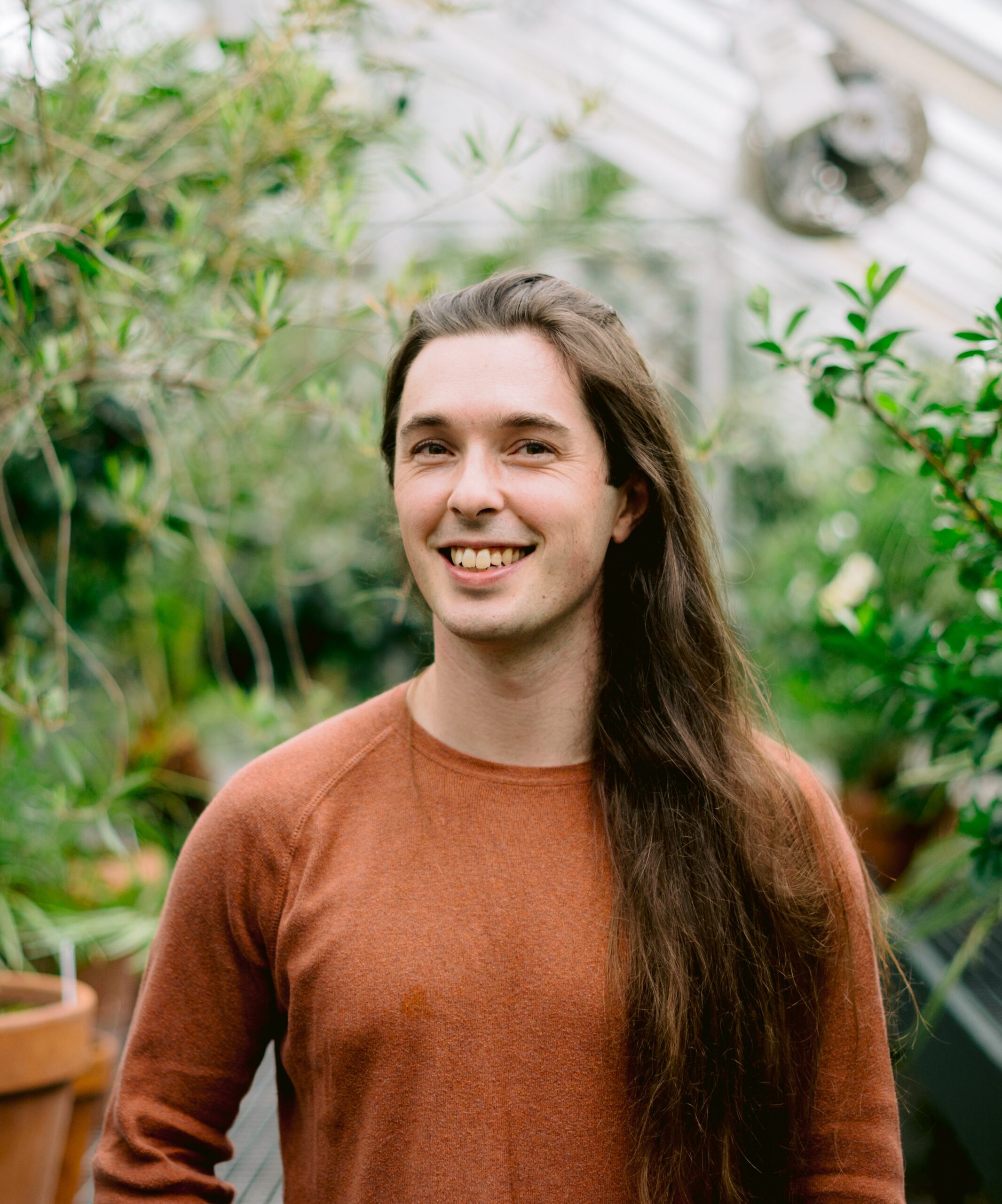
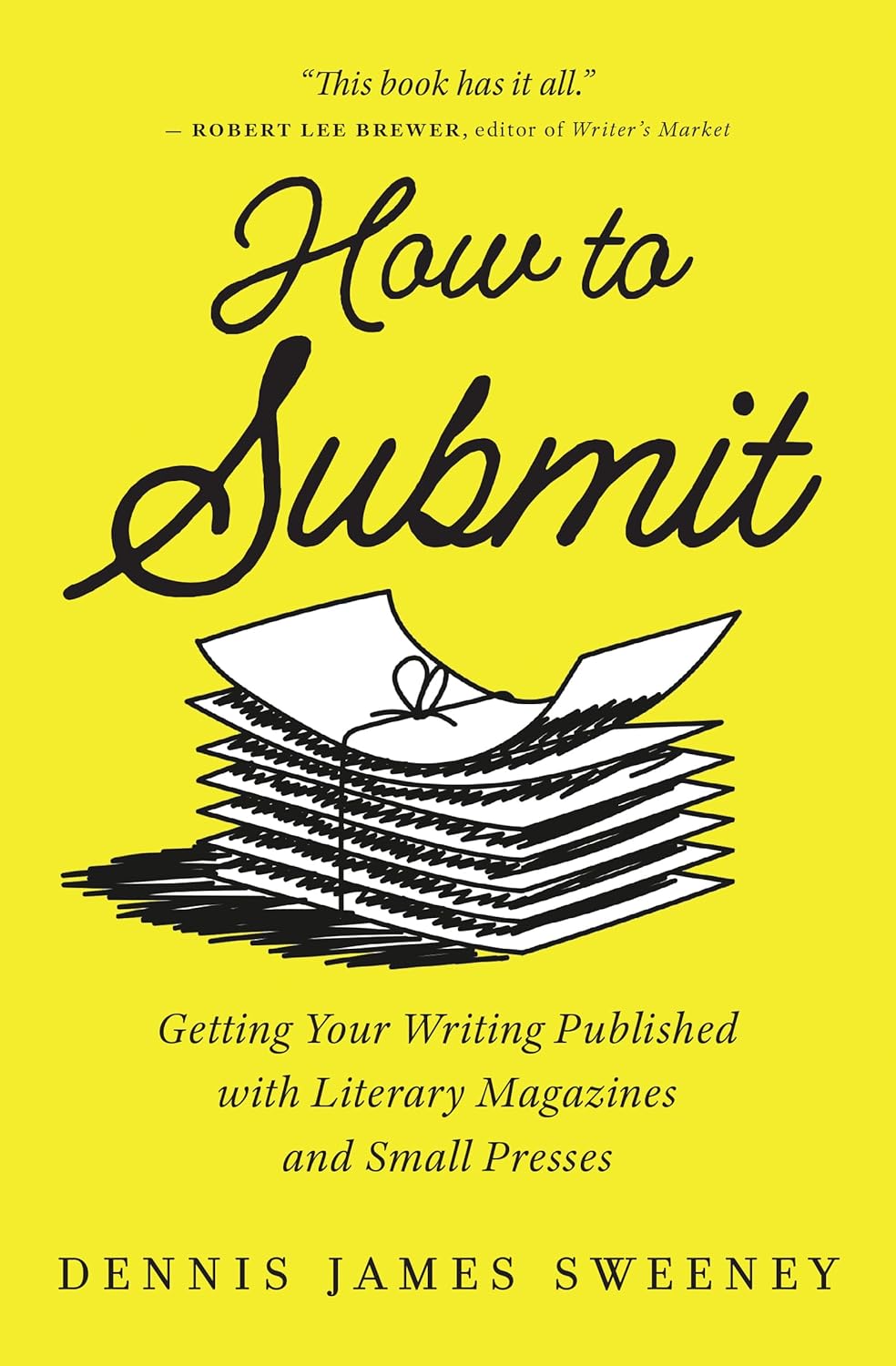 Every acquisition editor can tell you stories of the ones that got away—those projects that excited us and that we had a great conversation with the author (or the author and their agent) about, but that ultimately ended up with a different publisher. Dennis James Sweeney’s How to Submit: Getting Your Writing Published with Literary Magazines and Small Presses (New World Library, $18.95) was one of those manuscripts for me, so when I spotted the finished book at a local bookstore I snatched it up. The book is positive and supportive while also realistic about the challenges of getting published. Sweeney packs How to Submit with practical advice bolstered by both personal examples and profiles of authors working in different genres.
Sweeney, a lecturer at Amherst College, is the author of four chapbooks, including Ghost/Home: A Beginner’s Guide to Being Haunted (Ricochet Editions, 2020). Their first book, In the Antarctic Circle (Autumn House Press 2021), won the Autumn House Rising Writer Prize and they were featured as part of Poets & Writer’s Debut Poets of 2021. Their second book, the essay collection You’re the Woods Too (Essay Press, 2023), was the Editor’s Selection for the Essay Press/University of Washington Bothell MFA Book Contest and went on to be a Small Press Distribution bestseller. And their third book, The Rolodex Happenings (Stillhouse Press, 2024), won the Stillhouse Press Novella Prize.
If a new book wasn’t enough to keep them busy, Sweeney and their partner just welcomed their second child into the world. In the midst of sleepless nights and busy days on multiple fronts, Sweeney took time out to sit down and speak with me about their newest book.
Elise McHugh: Can you talk about how you got the initial idea for How to Submit?
Dennis James Sweeney: How to Submit began way back in the old days of the internet (about ten years ago), when the literary website Entropy was just beginning. Janice Lee, the editor of the site, began a “Where to Submit” list that she asked me to run. It became a surprisingly popular resource, and it helped me understand how communal it can be to submit writing (if you’re a writer) and publish writing (if you’re a publisher), especially in the small press and literary magazine worlds. After Entropy closed, I went on to teach a “How to Submit” class at GrubStreet in Boston, and it showed me the importance of having conversations about submitting—not just logistical information distributed by an “expert.” I wrote How to Submit as a node, a middle point, in that conversation.
EM: Why do you think it’s important for writers to find community, and how might someone begin that search for themselves?
DJS: Community is a wonderfully vague though magnetic word: We are always searching for it, and it’s hard to know when we find it. In my experience, finding community begins with a feeling. When I read a book and I recognize it somehow—when I feel belonging in its pages—that is writing community. I also feel it when I meet a fellow reader or writer, and we just know each other even though we’ve never met before. I feel it during the publication process, too, when an editor digs into the nitty gritty of my word choice and we both show our deep care for the minute problems of language.
That’s what community is to me: a shared orientation toward a particular form of magic. Beginning the search for that is as simple as finding what you care about and then finding other people who care about it too. More practically, I think it often means contributing your energy, once you’ve identified others who are invested in that same thing. Giving your labor to a publication, sharing work in public spaces, and showing up for fellow writers bring the community into more determinate, physical being.
EM: Throughout How to Submit, you remind the reader to keep in mind their reasons for wanting to be published. In fact, having readers reflect and write about their reasons for submitting is the first writing prompt in the book. Why do you feel this is so important?
DJS: The biggest obstacle to having a positive experience seeking publication, I think, is getting caught up in the “I must achieve maximum prestige and maximum book sales!” whirlwind. Asking why you want to publish is an essential antidote to that mindset. Do you want to connect with people? Share a story that needs to be shared? Just enjoy your creative practice? Each of these will entail different approaches to submissions, and they’ll often depart from more conventional, measurable markers of success. Success is when you feel fulfilled, and we’ve got to swim upstream a bit to remember that.
EM: What do you find attractive about the small press community and the work it is producing?
DJS: Small presses usually operate by a logic kindred to the one I describe above; they ask not how much can we sell, but how can we prioritize the writing and the people involved in it? Two friends hand-stitching chapbooks in their basement actually have a lot in common with a mid-size non-profit publisher, at least in terms of their overall ethic: They want to create alternative economies for readers, ones apart from the capitalist mindset that often drives productivity. For me, these alternative economies result in writing that’s weirder, more fun, more risk-taking, and more representative of marginalized experiences than writing produced by systems based on profit.
EM: Early in the book, you discuss how Margaret Atwell of Feminist Press responded to publishing executives of Penguin Random House calling small presses “farm teams” for the large commercial houses. In your opinion, what is the ideal relationship between small press publishers and literary magazines and the large houses and their imprints?
DJS: My take on these different publishing communities is that we should do away with that hierarchical mindset, where publishing with the Big Five is considered “better” than publishing with a small press. There are economic realities involved, I get that—the Big Five houses generally have more money and resources. But increasingly, those resources still aren’t enough to make a meaningful dent in writers’ living expenses. So we can begin to think of different publishing circumstances as horizontally related instead: They are simply focused toward different audiences.
EM: The publishing landscape is vast and keeps shifting. It can seem overwhelming for someone just starting out. What are your recommendations for a writer who feels they are ready to start this journey?
DJS: I try to remind my students, when I teach the live version of “How to Submit,” that they don’t have to do everything at once. Subscribe to a single new literary magazine each year. Expand your reading habits to one small press you’ve never read from before. Submit a piece of writing to a single venue that resonates with you—especially one that isn’t big and intimidating. This flourishing ecosystem is made up of little interactions; it’s not some big community that’s located “out there.” Every moment of connection that is meaningful to you is exactly the thing you’re looking for.
EM: Why do you feel writing book reviews is beneficial for the review writer, and how would you suggest a person get started? In what ways do reviews remain important for authors and their publishers, and what do you see as the future of book reviews as traditional venues for them continue to shrink?
DJS: Writing reviews is such a great way to get involved with literary community. Magazines and literary websites always want to publish reviews, authors always want to receive reviews, and it’s just fun to read new books that haven’t gotten the attention they deserve. I remember what a joy it was to start getting books sent to me in the mail by publishers after I wrote my first few reviews. People complain, sometimes, about how book reviews have gone from a format for critique to a cog in the hype machine, and there’s truth to that. But it’s different for books that might only ever receive a single review: That one review might make a meaningful difference in the book’s ability to get into people’s hands. Like literature itself, book reviews and the venues for them will change—especially as social media becomes the de facto venue for sharing thoughts on literary writing—but the need for people to say what they think with care, enthusiasm, and nuance will never go away.
EM: Everyone wants their book to connect with the people they believe will find it most enjoyable and useful. Who are those audiences for you? What role would you like to see How to Submit play in the lives of individuals, classrooms, and the small press community itself?
DJS: I see my book as a middle point in the conversation—I didn’t start it, and I won’t be the last word on it either. My first hope is that How to Submit will help writers enter that conversation, allowing them to become part of the literary community more actively and confidently than they might be able to without having access to this information. Second, I hope that its use both in and out of classrooms can make a subtle corrective to the prevailing logic of submitting your writing, which, without a bit of supervision from the deepest part of ourselves, can veer toward commodification and cycles of ambition without satisfaction. Even though this book presents itself as mostly logistical, I’d also love for others in the small press community to see it as the love letter it is, a paean to a context that has been so welcoming to me and transformative to how I practice writing.
EM: Putting together a book about the multifaceted publishing world is complicated. How did you go about researching the material in this book?
DJS: So much of the research that led to this book came from my own submission process, which I was very focused on for years, plus my development of the “How to Submit” course. That meant the hardest part of the research was the “Case Studies” chapter, where I interviewed three fellow writers in depth about their experiences seeking publication: Lisbeth White, Jackson Bliss, and Zoe Tuck. Talking to them was lovely, and it is always an act of vulnerability to open yourself to others and see how their story affects your work. In keeping with the connective spirit of the book, it turned out this was the most rewarding part of writing it: getting to have conversations with writers I admired about what submitting means to them.
EM: You developed and tested the material that became How to Submit in a class you taught by the same name at GrubStreet in Boston. What advice can you give to teachers of both traditional and nontraditional creative writing classes who want to either a) develop a full course on how to identify potential publishers and submit to them or b) find ways to address some of this material in their classes even if they can’t devote a full course to the subject?
DJS: Start with the personal. What has submitting been like for you as a writer? What are your personal strategies? What do you struggle with? It’s tempting to share information about publishing in a top-down way, in order to give students some level of certainty in this always-shifting landscape. But I think it’s much more productive to inhabit the tensions together, whether that means each writer regularly sharing their evolving practices during a full course on getting published or making time for a heartfelt conversation about writers’ anxieties regarding publication as part of a one-time addendum to a writing class.
EM: What have the book’s reception and feedback been like so far?
DJS: It’s been delightful to talk about How to Submit with people who see the Big Five, agented publishing model as the model, which makes my book the “alternative.” I’ve seen the literary magazine and small press world as the center for so long that it is sometimes hard to describe what I do in terms that make sense to people who aren’t already part of this. That said, when I ask people questions about what they really want out of publishing, they almost never focus on making it big. At the end of the day, our priorities are all pretty kindred. That’s why the conversations I have been having about the book ultimately feel so energizing—especially this one, since speaking with you (as an editor at a mid-sized university press) and directing it toward the Rain Taxi audience feels like such a home to me.
EM: What are you working on now, and what do you hope might be your next long-term project?
DJS: I needed a break after writing How to Submit, which I did quickly because I sold it on proposal. For me, that break looks like being as creative and weird as possible about my writing style, as opposed to the prescriptive mode of How to Submit. In process are a memoir-in-essays about coming to terms with my Inflammatory Bowel Disease, a poetry book called “Biolamp” that continues to surprise me, and a novella about an imagined Antarctic. Plus whatever energizes me to write in the gaps, because that’s what I need right now (and maybe we all do): energy.